Harmonizing the Sanctuary: Feng Shui Gifts for a New Home Through the Eastern Art of Scent

The Invisible Architecture of Space

To cross the threshold of a newly acquired home is to step into a realm of nascent possibilities. In the ancient Eastern tradition, a dwelling is never merely a physical structure composed of timber, stone, and glass; it is a living, breathing entity. It is a vessel that holds the currents of time and the subtle energies of the universe, known as Qi. When seeking meaningful feng shui gifts for a new home, the modern connoisseur often looks beyond the tangible. While decorative artifacts possess their own visual merit, the most profound transformations of a space are achieved through the invisible. Among these ethereal forces, the art of scent stands as a sovereign.

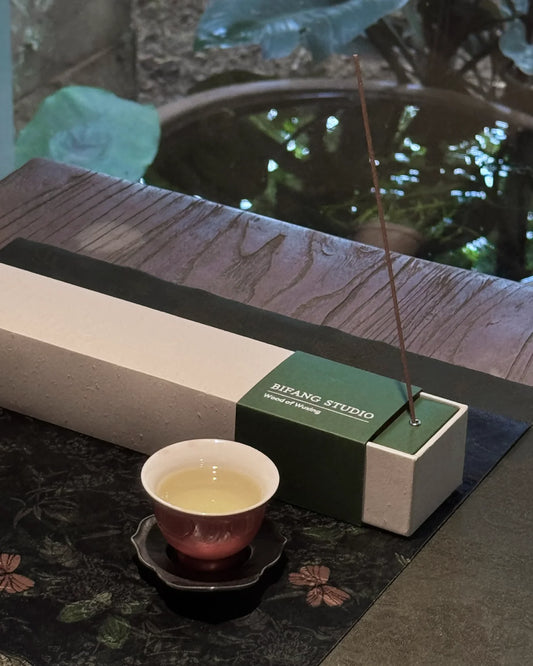
Premium Chinese agarwood incense smoke swirling in a minimalist sanctuary, representing Feng Shui harmony and Qi.

In classical Chinese aesthetics, there is a concept known as 'Xu Shi Sheng Bai'—an empty room generates light. True luxury lies not in the accumulation of objects, but in the cultivation of atmosphere and emptiness. Incense, with its curling tendrils of fragrant smoke, acts as a bridge between the material and the immaterial. It purifies the lingering stagnation of the past and invites an auspicious resonance into the present. To present a meticulously crafted incense collection as a housewarming gesture is to offer an heirloom of tranquility, a tacit blessing that elevates the spirit of the space and its inhabitants.

The Wuxing Philosophy: Cultivating Equilibrium

Central to the practice of Feng Shui is the philosophy of Wuxing, or the Five Elements: Wood, Fire, Earth, Gold, and Water. This ancient framework observes the constant flux of the cosmos, where elements continuously generate and temper one another in a delicate cosmic dance. A balanced home is one where these five elemental forces exist in perfect equipoise. Through the sophisticated curation of botanical ingredients and rare resins, high-end oriental perfumery translates this philosophical abstraction into an olfactory experience, making it the quintessential approach to selecting Feng Shui gifts for a new home.

Five raw aromatic materials representing Wood, Fire, Earth, Metal, and Water in traditional Chinese medicine and Feng Shui.

Wood (木,Mu): The Breath of Vitality and New Beginnings

Wood is the energy of spring, symbolizing upward growth, vitality, and unwavering resilience. In classical Chinese literature, the bamboo is revered for its ability to bend gracefully in the wind without breaking, embodying the virtue of moral integrity as The Gentleman among flowers. Scents that resonate with the Wood element often feature the crisp, verdant notes of cypress, cedar, and raw bamboo. Diffusing a Wood-aligned fragrance in the eastern sector of a new home, or within a study, invites the energy of expansion and clarity. It clears away the mental fog, offering the residents the focused vigor needed to embark on a new chapter of their lives.

Fire (火,Huo): The Illumination of Joy and Warmth

Fire represents the zenith of Yang energy. It is the warmth of the summer sun, the illuminating light of wisdom, and the joyous congregation of souls. However, in the realm of high luxury, Fire is never expressed as an overwhelming blaze, but rather as the gentle, steady glow of embers within a bronze censer. Incense profiles capturing the Fire element weave together nuanced spices—subtle hints of clove, star anise, and the gentle sweetness of mandarin rind. Placed in the living room, the heart of social interaction, these scents foster an atmosphere of harmonious gathering, encouraging deep, meaningful conversations and a radiant, welcoming hearth.

Earth (土,Tu): The Anchor of Tranquility and Grounding

At the center of the Wuxing wheel lies Earth, the ultimate symbol of stability, nourishment, and profound stillness. When a family moves into a new environment, grounding their scattered energies is of paramount importance. The Earth element is masterfully captured in the most revered of all Eastern aromatic materials: Agarwood, or Chenxiang. Formed over centuries in the deep forest, as the heartwood heals its own wounds with dark, fragrant resin, Agarwood is the scent of time itself. Its deep, complex, and deeply rooted aroma anchors the central sector of the home. Gifting an exquisite Agarwood incense is perhaps the most profound expression of wishing a family enduring peace and unshakeable foundations.

Gold (金,Jin): The Elegance of Purity and Reflection

Gold embodies the crisp, unblemished air of autumn. It is the energy of refinement, introspection, and the distillation of wisdom. In classical poetry, Gold is often associated with the silver light of the moon reflecting upon a placid lake. Scents aligned with this element are clean, sophisticated, and slightly cool, often utilizing the purity of frankincense, Long Nao (龙脑/Borneol), and white sandalwood. Diffusing a Gold-aligned scent in the western sector of the dwelling, or in spaces dedicated to meditation and reading, helps to cut through emotional clutter. It brings a profound sense of serenity, allowing the mind to rest in its natural, untroubled state.

Water (水,Shui): The Flow of Deep Wisdom and Intuition

Water is the element of winter, representing depth, fluidity, and the hidden reservoirs of intuition. It is the formless force that yields to obstacles yet possesses the power to reshape mountains. Olfactory interpretations of Water are enigmatic and profound, often utilizing deep, resonant notes of vetiver, subtle musk-like botanical extractions, and the dark sweetness of aged patchouli. Placed in the northern sector or within the private sanctuary of a bedroom, Water-aligned scents encourage restorative rest and introspection. They invite the inhabitants to surrender to the natural flow of life, finding strength in stillness and quietude.

Beyond Materiality: A Cultural Heirloom

When selecting feng shui gifts for a new home, to choose an artisanally crafted Eastern incense is to transcend the ordinary boundaries of consumerism. You are not merely purchasing a fragrance; you are acquiring a cultural artifact, a tangible piece of ancient wisdom meant to be savored with reverence. The act of lighting incense—watching the crimson ember slowly consume the wood, observing the ethereal smoke rise and dissipate like a brushstroke in a classical landscape painting(山水畫, Shanshui painting)—is a daily ritual of mindfulness.

A person’s hands performing a traditional Chinese incense ritual in a sunlit modern study, blending ancient wisdom with contemporary life.

It demands a slowing down of time. It asks the modern individual to step away from the relentless pace of the exterior world and return to the inner sanctum. The lingering aroma that gradually permeates the walls, the fabrics, and the very memory of the house becomes an integral part of the home's unique signature. Over time, the scent matures alongside the family, gathering a patina of shared experiences and quiet moments of contemplation.

The Art of Selecting Mindful Blessings

To gift a masterfully blended incense set is to bestow a blessing of harmony upon a new dwelling. It shows a profound understanding of the recipient's holistic well-being, acknowledging that true luxury is found in the peace of the mind and the equilibrium of the environment. As the fragrant smoke weaves through the corridors of their new home, carrying the ancient wisdom of Wood, Fire, Earth, Gold, and Water, it silently transforms the physical architecture into a spiritual sanctuary. In the delicate balance of these elements, the house breathes, the spirit rests, and a house gracefully transcends into a true home.

返回網誌

可摺疊的內容

New to Chinese Incense? (Or not sure which one to choose?)

Chinese incense is more than fragrance — it’s a ritual of balance, atmosphere, and intention. It supports focus, relaxation, and mindful living through scent and ritual.

If you’re new here, this guide will help you step by step to find the incense that fits your space, mood, and lifestyle.

→A Simple Guide to Help You Choose

Is burning incense safe for daily use?

When you choose natural plant-based incense with safe ingredients and burn it in a well-ventilated space, it is generally safe.

Our Five Element functional incense sticks is crafted with natural materials and wooden cores for a smoother burn. Compared to essential oil diffusers, incense creates a more immersive sensory experience — combining scent, smoke, and visual presence.

→Not all incense is natural. Here’s how to tell the difference.

What is the Five Element Incense?

Our incense blends are inspired by the Five Element philosophy rooted in Traditional Chinese Medicine and classical Chinese Fengshui culture. Once reserved for imperial rituals and elite practice, these formulas are now designed for everyday modern living.

·Wood — Creativity, artistic & growth
·Fire — Delight, action power & confidence
·Earth — Spiritual, stability & grounding
·Gold — Focus, clarity & energy
·Water — Relief, rest & emotional balance

Different herbs and aromas correspond to different emotional states and intentions. The Five Element system helps you choose the right incense at the right moment to support your mindset.

→Learn the difference between Five Element incense and traditional incense

→Discover curated Five Element incense combinations

How do I use incense sticks for meditation?

Burn incense sticks before or during meditation to create a clear ritual transition.

We created a simple 6-Step Incense Ritual Guide to help you build consistency and intention into your practice.

→Read the 6-Step Incense Ritual & Beginner Guide

What makes Oriental home art meaningful as a gift?

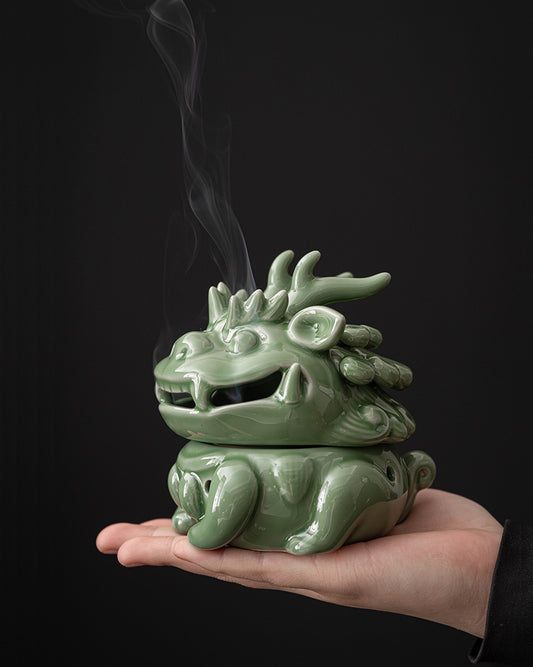
In Chinese Fengshui culture, each symbol — such as dragons, horses, guardian lions, or lotus motifs — represents blessings like protection, success, renewal, and harmony. This adds cultural depth and intention to holiday gifting.

→Do You Know the Beautiful Meanings Behind Oriental Home Art Gifts

  • Eco-Friendly

    with Thoughtful Curation
  • Safety Payment

    with Every Order
  • Natural Material

    by Ethically Sourced
1 / 3