Ceramic Incense Holders: Why Ritual Objects Are Becoming Home Decor
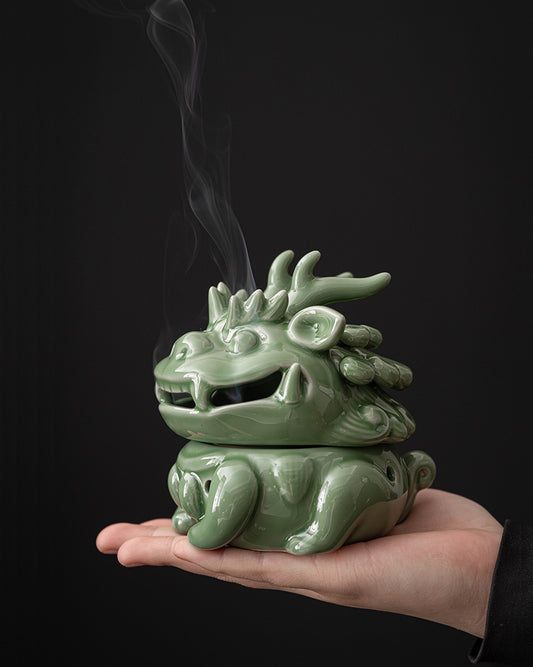
Ceramic sculptural incense holder
A ceramic incense holder can be small, but it changes how a surface feels. It brings together fire, scent, ash, vessel, and attention.
Ceramic Incense Holders begins with one practical idea: fragrance should help a room become more intentional, not simply more scented. This guide translates Chinese incense culture into a modern home practice for Western readers, with clear choices, gentle rituals, and Bifang Studio product links.

From accessory to ritual object
For many people, an incense holder begins as a practical accessory. It keeps incense upright and catches ash. But in a considered home, it can become something more: a ritual object that gives daily fragrance a place to happen.
This is why ceramic incense holders are especially compelling. Ceramic has weight, surface, and human touch. It can be minimal or sculptural, refined or earthy. It belongs equally to home décor and to ritual practice.
For Bifang Studio, this matters because Chinese incense culture is never only about scent. It is also about the vessel, the surface, the hand, and the mood of the room.

What makes a ceramic incense holder feel elevated?
| Quality | Why it matters | Bifang interpretation |
|---|---|---|
| Stable form | Prevents tipping and keeps ash contained. | Ritual should feel calm, not precarious. |
| Heat-resistant material | Protects the surface and supports daily use. | Ceramic and porcelain suit repeated rituals. |
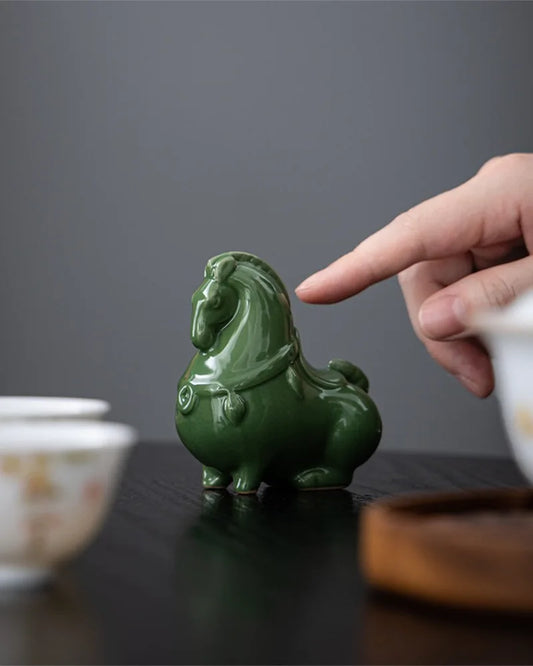
| Quiet sculptural presence | Lets the object live in the room. | Landscape, leaf, vessel, and animal forms can carry cultural meaning. |
| Easy cleaning | Makes daily ritual realistic. | Ash should be simple to remove after cooling. |

Chinese-inspired forms without cliché
Western users often respond well to objects that feel culturally rooted but not costume-like. A good Chinese-inspired incense holder does not need to shout with symbols. It can suggest landscape, leaf, mountain, ancient vessel, water, or animal form through proportion and material.
Celadon, porcelain, and warm stoneware surfaces can make incense feel softer and more architectural. A small holder can turn a desk into a focus point or an entry shelf into a threshold.
The goal is not to make the home look “exotic.” It is to bring an older object language into modern rooms with restraint.
How to style a ceramic incense holder
Place the holder where a ritual naturally happens: near tea, near a journal, near the doorway, near the record player, near a reading chair. Avoid over-styling. One incense holder, one tray, one cup, or one small stone may be enough.
For a simple ritual, pair a ceramic holder with Bifang’s Five Elements incense. The holder becomes the visual anchor, while the element chooses the mood.

Morning to Evening: Matching Incense to Your Daily Energy
- Morning: place it on the desk with Wood or Gold incense.
- Afternoon: let it rest as a sculptural object on the shelf or tray with Fire incense.
- Evening: move it to the tea table with Earth or Water incense.
- After use: clear the ash and return the holder to its visual place.
FAQ
Are ceramic incense holders good for daily use?
Yes, when they are stable, heat-resistant, and designed for the incense format you use.
How do I clean a ceramic incense holder?
Let ash cool completely, then wipe gently with a dry or slightly damp cloth. Avoid harsh scrubbing on delicate glaze.
Can an incense holder be home decor?
Yes. The best ritual objects remain visually meaningful even when they are not in use.