Sculptural Home Decor: How to Style Objects, Ceramics & Wall Art
Objects · Material · Space
A room does not always need more decoration. Sometimes, one object with enough form, material and presence can do more than a shelf filled with many. Sculptural home decor begins with choosing pieces that shape the space around them, rather than simply fill it.

What Makes an Object Sculptural?
Sculptural home decor sits somewhere between art and everyday living. A piece may still be useful or familiar, yet its silhouette, volume, surface and relationship with light give it a stronger physical presence.
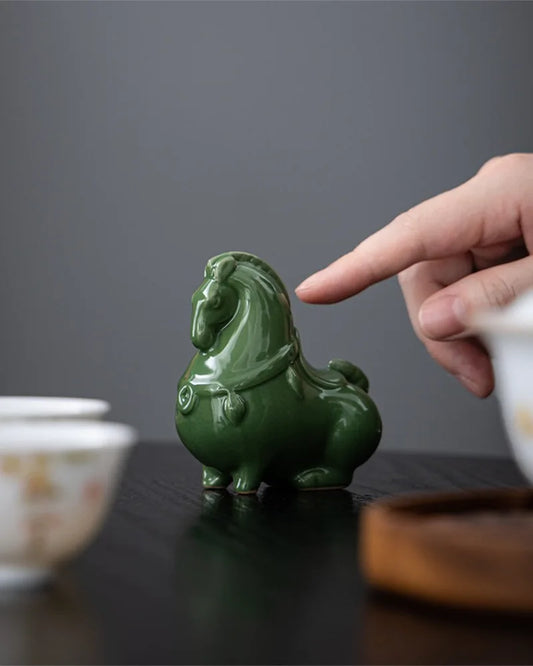
The distinction is not about ornament or complexity. Often, the most compelling decorative objects are the quietest: a ceramic horse with a clear profile, a vessel with an unusual proportion, or a porcelain surface that changes subtly as daylight moves across it.
Instead of asking how much decoration a room can hold, consider how one object interacts with the space around it. This shift from quantity to presence is at the heart of sculptural decor.

Choose a silhouette that remains distinctive even when viewed from across the room.
Glaze, porcelain, lacquer, glass and wood each respond differently to light, shadow and touch.
Give an object enough room to be read clearly rather than surrounding it with competing details.
Explore Bifang Studio's Chinese home decor and sculptural objects for pieces shaped around material, form and contemporary living.
Ceramics: Form, Surface & Presence
Ceramic home decor lends itself naturally to a sculptural approach because shape is only one part of the experience. Clay, glaze, firing and subtle surface variation all influence how an object sits within a room.
A celadon glaze can soften the outline of a form, while a deeper red surface gives the same silhouette greater visual weight. Porcelain can feel precise and refined; a more tactile ceramic finish may appear warmer and more grounded.

This material depth allows ceramics to work as standalone decorative objects. They do not need elaborate styling to create interest.
Let the Surface Do Part of the Work
Give glazed ceramics some visual quiet. Pale wood, stone, linen and simple surfaces allow subtle variations in color and texture to become more visible. The intention is not to make an object feel precious, but to let its material character remain legible.
The strongest object in a room is often not the largest one, but the one whose form is given enough space to be seen.
Use a Statement Object Without Over-Styling
A statement object does not require a dramatic setting. Sculptural pieces often become more convincing when everything around them is quieter.
Horse figurines are a useful example. The curve of the body, direction of the head and sense of movement already create a recognizable silhouette. Placed on a console, shelf or desk, the form itself can become the focal point.

Work With Scale, Not Quantity
Balance a stronger object with one or two quieter elements: a low vessel, a book, a small tray or simply empty surface. Contrast in scale usually feels more considered than filling the composition with several objects of similar visual weight.
Look From More Than One Direction
Unlike flat artwork, sculptural decor changes as you move through a room. View a piece from the doorway, from the side and from where you most often sit. A strong profile deserves a position where that silhouette remains visible.
Functional Objects Can Be Sculptural Too
Sculptural home decor does not need to be purely decorative. Some of the most satisfying objects are those that move naturally between use and display.
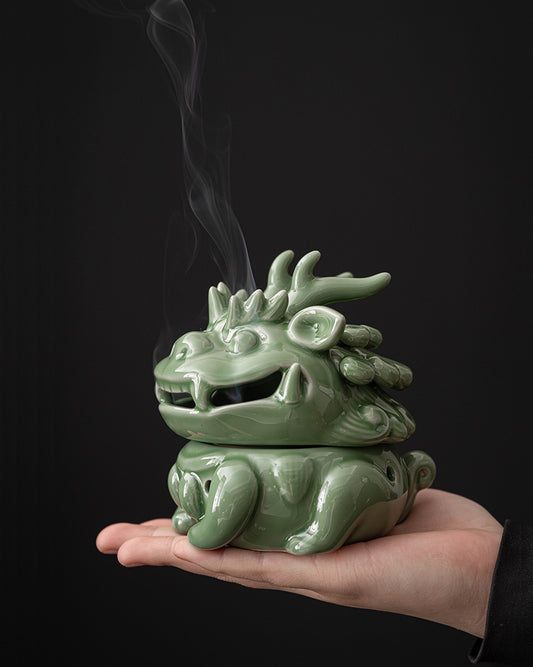
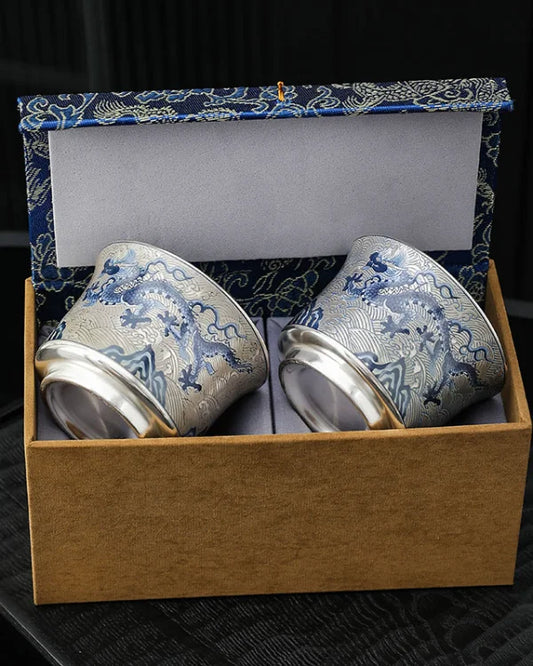
A bamboo tray may serve tea and still remain part of the composition of a table. Tea cups can be used every day while contributing color and form to an open shelf. An incense holder functions during use, then returns to being a small ceramic object once the incense has finished.

This relationship between function and form is especially useful in smaller interiors. Rather than separating practical objects from decorative ones, choose pieces capable of doing both.
Objects Gain Character Through Use
A tray that moves between shelf and table or a tea object used each morning becomes part of the visual language of the home. Over time, use gives an object a presence that styling alone cannot create.
Bring Dimension to the Wall
Sculptural wall decor offers an alternative to the conventional framed print. Instead of relying only on image and color, dimensional pieces introduce relief, edge, shadow and changing light.
Porcelain wall art is particularly effective because the material combines refinement with physical depth. Details that appear subtle from the front may cast a stronger shadow when viewed from the side or illuminated by afternoon light.

A sculptural wall piece can sit above a console, beside a reading corner or on a quieter section of wall where it has enough space around it. It does not need to become part of a dense gallery arrangement.
Think Beyond the Flat Surface
When choosing wall decor, ask not only what image belongs on the wall, but what kind of physical presence the wall itself could hold. Ceramic, porcelain and relief-based work can make the boundary of a room feel more architectural.
How to Style Decorative Objects by Space
The same decorative object can feel completely different depending on where it is placed. Rather than styling by product category, consider the role each surface plays within the room.
On a Console
Let one primary object establish the composition. Use asymmetry and leave visible surface around the piece rather than filling both sides equally.
On a Shelf
Mix heights and forms, but resist filling every section. Empty space can make the surrounding objects feel more deliberate.
On a Tea Table
Allow functional pieces to lead. A tray, cup or ceramic object can offer enough visual interest without additional decoration.
On a Side Table
Smaller surfaces benefit from a single object with a clear silhouette. Keep enough room for the table to remain useful.
Choose by Form, Material & Scale
When choosing sculptural decor, begin with the room rather than the object. Notice what is already present and consider what kind of visual quality is missing.
Form
Look at the silhouette before the details. If a piece remains distinctive from a distance, its form is already doing much of the work.
Material
Consider how one surface relates to another. Glossy porcelain beside rough stone creates contrast; celadon with pale wood feels softer; lacquer adds warmth against quieter neutral finishes.
Scale
Do not choose only according to the dimensions of an empty surface. A smaller object surrounded by sufficient space can feel more substantial than several pieces placed tightly together.
Ultimately, the question is less “What else can I add?” and more “Could one better object do more?”
A Considered Gift
Objects Worth Giving
The same qualities that make an object work within a home can also make it meaningful to give: a clear form, tactile material and enough character to remain relevant beyond a single occasion.
If you are choosing specifically for someone else, explore our curated gifts for the home, including ceramics, tea objects, incense gifts and sculptural pieces for housewarmings, hosts and special moments.