The First Breath of Aloeswood: Unfurling the Dawn

There is a profound, almost sacred quiet that graces the world in the fleeting moments before the sun breaches the horizon. In the traditions of Oriental philosophy, this time is known as the delicate bridge where the heavy stillness of Yin yields to the awakening energy of Yang. It is a moment of pure potential, an untouched canvas of time. Yet, in our modern era, this pristine sanctuary of the morning has been silently colonized.
We wake, and before our minds have fully returned to the physical realm, our fingers seek the cold, smooth glass of a screen. The harsh, synthetic blue light of the digital world floods our retinas. We are instantly tethered to the anxieties of the collective—barraged by notifications, news cycles, and the relentless hum of the algorithm. This jarring transition shocks the nervous system, dictating a day of reaction rather than intention. But true luxury, in its quietest and most authentic form, is the mastery of one's own time. It is the conscious choice to embrace a #SlowMorning, engaging in an analog digital detox that replaces the frantic scroll with a grounding, centering ritual.
The Architecture of the Slow Morning
The concept of the slow morning is not merely an aesthetic choice; it is a vital return to our ancestral rhythms. To live slowly is to live deliberately. In the courts of the Tang and Song dynasties, the morning was not a chaotic rush toward productivity, but a carefully choreographed sequence of mindful actions designed to cultivate mental clarity. The literati understood that the mind is a vessel. If it is immediately filled with the noise of the marketplace—or the modern equivalent, the noise of the internet—it leaves no room for profound thought, creativity, or inner peace.
At the heart of this ancient morning architecture is the art of olfaction. Scent is the only one of our five senses directly linked to the limbic system, the brain's center for emotion and memory. Unlike visual or auditory stimuli, which require cognitive processing, scent bypasses the analytical mind entirely. It is immediate, visceral, and deeply grounding. By introducing a complex, natural fragrance into your morning, you create a tangible anchor that pulls your consciousness away from the digital ether and back into the physical body.
The Liminal Hour: Discovering the Best Time to Burn Incense
When seeking to establish this ritual, a common question arises among modern practitioners: when exactly is the best time to burn incense? If you ask a Zen master or a scholar of the ancient incense arts, they will not offer you a rigid digital timestamp. In Eastern traditions, time is fluid—measured not by the ticking of a mechanical clock, but by the subtle shifting of Qi (energy) within the body and the environment.
The absolute best time to burn incense is in that fragile, liminal space immediately following your awakening—the exact moment you feel the impulse to reach for your smartphone. This is the critical juncture. By substituting the act of swiping a screen with the tactile act of lighting a stick of premium incense, you disrupt a subconscious habit loop. You replace consumption with contemplation.
Historically, the morning incense ritual was performed during the 'Hour of the Rabbit' (5:00 AM to 7:00 AM), a time associated with the awakening of the earth and the rising of mist in the mountains. Burning incense during this window aligns your internal rhythm with the natural world. However, in the context of our modern lives, the best time to burn incense is simply the first ten minutes of your conscious day, before a single word is spoken or a single email is read. It is the act of claiming the first breath of the day for yourself.
Replacing the Digital Scroll with an Analog Ember
Consider the stark, tactile difference between the digital and the analog morning. The smartphone scatters your attention into a million fragmented pixels; it demands immediate cognitive labor. The incense burner, conversely, asks nothing of you. It only offers.
When you strike a match, there is the sharp, sulfurous hiss of ignition—a definitive acoustic marker that the ritual has begun. As the flame is brought to the tip of a carefully crafted stick of agarwood or sandalwood, you witness the birth of a glowing ember. This ember is a masterclass in impermanence. It burns slowly, deliberately, consuming itself to release something invisible yet profoundly impactful into the air.
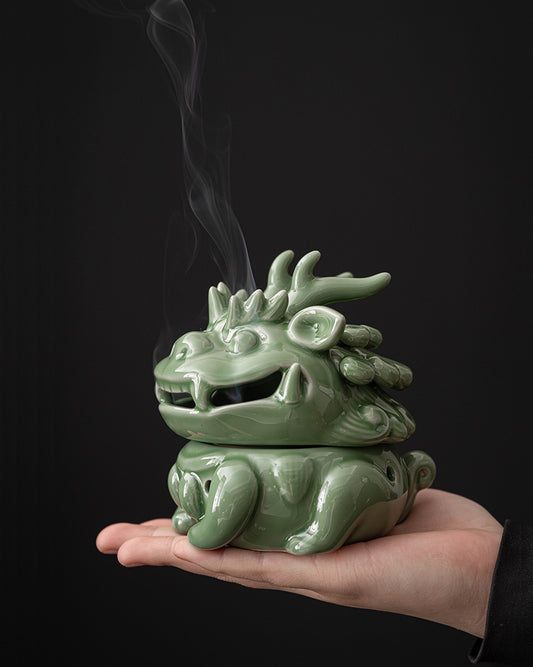
Instead of locking your eyes onto the harsh glare of a screen, your gaze softens as it follows the curling, dancing plume of smoke. The smoke unfurls in unpredictable, organic patterns, completely free from the rigid algorithms that govern our digital devices. Watching this gentle ascent is a form of active meditation. It slows the heart rate, deepens the breath, and signals to the parasympathetic nervous system that you are safe, grounded, and present.
The Woods of Awakening: Selecting Your Morning Scent
In the realm of quiet luxury, the quality of the material is paramount. Not all scents are suited for the dawn. The morning requires fragrances that lift the spirit while simultaneously rooting the mind—a delicate balance of ethereal and earthy notes.

Aloeswood (Agarwood): Often referred to as the 'Wood of the Gods,' premium aloeswood is the pinnacle of the incense arts. Its complex, resonant aroma contains deep balsamic, sweet, and woody notes that mature as they linger in the air. Burning aloeswood in the morning is profoundly centering. It possesses a heavy, grounding energy that pulls an anxious, wandering mind down into the stability of the physical body. It is the ultimate antidote to the frantic, scattered energy of the digital scroll.
Sandalwood: For a more uplifting start to the day, pure aged sandalwood is unparalleled. It offers a creamy, smooth, and slightly sweet olfactory profile. In ancient temples, sandalwood was burned to purify the space and elevate the consciousness. Its crisp, clean finish cuts through the grogginess of sleep, providing a gentle, sustained mental clarity that caffeine simply cannot replicate.
Crafting Your #SlowMorning Ritual
To truly harness the benefits of this analog awakening, the practice must be approached with intention. Here is how to curate your morning incense ritual for maximum mental clarity:
1. The Sanctuary of the Night Before
Preparation begins in the evening. Place your incense burner, a curated stick of premium incense, and a box of wooden matches on a dedicated tray away from your bed. Crucially, leave your smartphone charging in another room. This physical distance ensures that the incense, not the screen, is the first thing you interact with upon waking.
2. The Conscious Ignition
Upon rising, move to your prepared sanctuary. Do not turn on harsh overhead lights; let the natural dawn or a soft, warm lamp guide you. Strike the match. This manual, analog action is deeply satisfying. Light the incense and gently fan the flame until a steady, red ember glows. Acknowledge this moment as the official commencement of your day.

3. The Observation and the Breath
Sit quietly as the first wisp of smoke rises. For three minutes, do nothing but watch the smoke and breathe. Inhale deeply through the nose, allowing the complex botanical notes to fill your lungs and travel to your brain. Exhale slowly. When thoughts of emails, obligations, or the urge to check your phone arise, do not fight them. Simply redirect your focus to the visual poetry of the smoke and the rich, enveloping scent in the room.
4. The Integration
As the incense continues to burn, you may seamlessly transition into other slow morning activities: boiling water for loose-leaf tea, journaling, stretching, or simply sitting in the stillness. The scent will act as a protective barrier, a fragrant cocoon that shields your mind from the urgency of the outside world until you are truly ready to engage with it.

The Lasting Resonance of the Dawn
The profound beauty of understanding the best time to burn incense is realizing that the benefits extend far beyond the twenty or thirty minutes the stick remains lit. The scent clings subtly to the fibers of your clothing, to your hair, and to the very walls of your home. Throughout the day, as the chaos of modern life inevitably attempts to encroach upon your peace, a sudden, fleeting catch of that morning sandalwood or aloeswood will reach your senses.
In that micro-moment, your brain will recall the stillness of the dawn. Your breathing will involuntarily deepen. You will remember the quiet ember, the unfurling smoke, and the conscious choice you made to prioritize your mental clarity over the demands of the digital world.
To reclaim your morning is to reclaim your life. By trading the blue light of the smartphone for the ancient, whispering woods of premium incense, you step out of the rushing current of the digital age and onto the solid, fragrant banks of the present moment. You cultivate a #SlowMorning not as a temporary escape, but as a foundational practice for a life of deliberate, quiet luxury. Let the first breath of the day be one of wood, smoke, and profound stillness.