Shadows and Smoke: The Eastern Aesthetic of Incense in Spatial Harmony

The Architecture of Invisible Grace
In the quiet corners of an elegantly appointed room, true luxury does not shout. It reveals itself in the subtle interplay of light, shadow, and the invisible architecture of scent. When we consider the elements that complete a living space, tangible artifacts—sculpture, textiles, woodwork—often take precedence. Yet, the intentional inclusion of incense for home decor transcends mere visual or olfactory adornment; it is the curation of atmosphere. It is an ancient Eastern practice that seamlessly weaves the physical with the ephemeral. To light a carefully chosen stick of incense is to awaken the very soul of a room. This is an art form deeply steeped in the profound lineage of Chinese Xiangdao, the Way of Incense, offering a sanctuary of absolute stillness amidst the relentless, cacophonous cadence of the modern world.
In our philosophy, a home is not a showroom of disparate objects, but a living vessel. Scent, therefore, is the breath that flows through this vessel. It is a bridge connecting the mundane to the spiritual. By introducing premium incense into your spatial design, you are rejecting the superficiality of immediate gratification and embracing a slower, more deliberate mode of existence—a lifestyle defined by restraint, elegance, and unyielding grace.
The Wuxing Philosophy: Crafting Balance in the Dwelling
To truly comprehend the placement and profound purpose of these olfactory treasures within an interior, one must look toward the foundational philosophy of Wuxing—the Five Elements. This ancient Chinese wisdom perceives the universe not as static matter, but as a dynamic, continuous equilibrium of Wood, Fire, Earth, Metal, and Water. The integration of incense for home decor is not merely about introducing a pleasant aroma to mask the everyday; it is a profound act of balancing these five elemental forces to cultivate a harmonious Qi, or life energy, within your private chambers.

Wood (Mu): The Origin of Breath
The aesthetic journey begins with Wood, the physical embodiment of the raw incense itself. High-grade agarwood (Chenxiang) or sandalwood (Zhentan) carries the silent, centuries-old memories of deep, untouched forests. When selecting incense for home decor, one is not acquiring a disposable commodity. Instead, you are inviting a fragment of nature’s quiet majesty indoors. Wood represents organic growth, upward movement, and a profound sense of grounding. It roots the aesthetic of your space in undeniable, natural truth, establishing a foundation of quietude before the match is even struck.
Fire (Huo): The Alchemy of Transformation
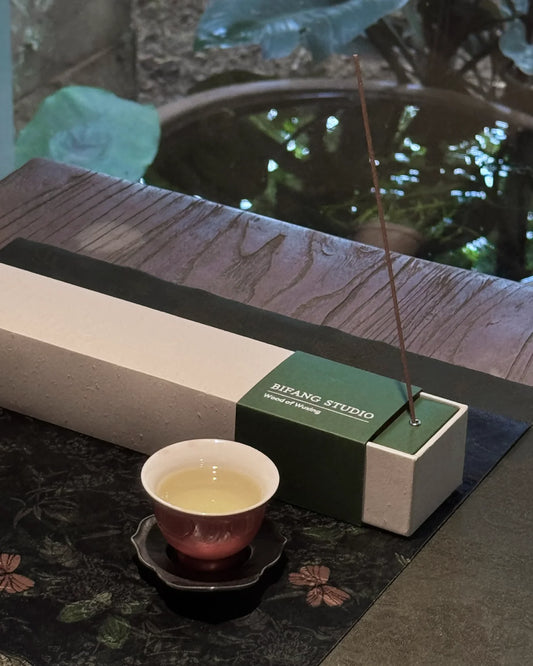
Fire is the catalyst, the transformative element that bridges the mortal realm with the divine. A single, glowing ember atop a stick of incense is a masterclass in visual restraint. It is not a roaring, consuming flame, but a disciplined, solitary warmth that gently coaxes the spirit from the wood. Placed in a shadowy alcove or upon a minimalist console table, this minuscule point of light serves as a focal point for the wandering mind, transforming raw, earthly matter into ethereal, drifting fragrance.
Earth (Tu): The Vessel of Stillness
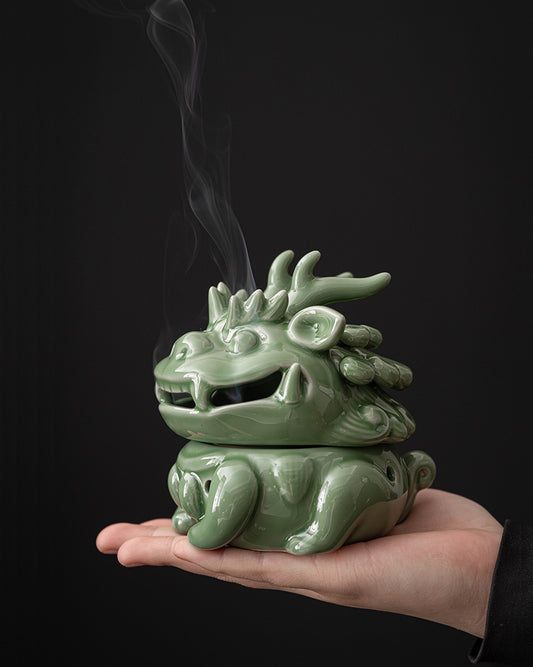
The fragrant ash that gently descends, and the censer that patiently cradles it, belong inherently to the realm of Earth. A meticulously crafted ceramic or porcelain incense burner is the visual anchor of incense for home decor. It provides a tactile, grounded counterpoint to the weightless, drifting smoke. These vessels, often drawing inspiration from the muted, monochromatic tones and the elegant austerity of Song dynasty pottery, serve as sculptural anchors in a room. They hold the space with a quiet, monumental dignity long after the scent has faded into memory.
Metal (Jin): The Refinement of Intent
Metal speaks to clarity, precision, and the refined tools of the Xiangdao ceremony. The delicate brass tongs, the copper tampers used to meticulously shape the ash, and the bronze covers of the censers themselves—these implements bring a sense of ritualistic order to the ephemeral nature of smoke. Displayed thoughtfully alongside a ceramic censer, these cool, metallic accents add a layer of sophisticated texture to the home environment. They reflect a meticulous attention to detail that effortlessly elevates the ordinary into the realm of high art.
Water (Shui): The Fluidity of Form
Though dry to the touch, incense intimately channels the poetic nature of Water through the movement of its smoke. As the fragrant plume rises into the still air of a room, it dances with an unhurried grace, mimicking flowing rivers, and evoking the misty, insurmountable peaks of a classical Chinese landscape painting. This fluid, unpredictable motion softens the rigid, geometric lines of modern architecture. It introduces a poetic, water-like grace that purifies the atmosphere and allows the observer's mind to drift into tranquil contemplation, perfectly embodying the aesthetic principle of 'Liu Bai'—the intentional blank space in traditional brush painting that affords the viewer's imagination the room to breathe.
Beyond Ornament: Incense as a Cultural Heirloom
In the austere lineage of Eastern aesthetics, an incense burner is never relegated to the status of a mere container. Consider the legendary Boshan Lu, the Universal Mountain Censer of the Han Dynasty, intricately cast to resemble the mythical, misty peaks of the immortals. When fragrant smoke billowed from its bronze crevices, it was as if a mystical mountain range had materialized within the confines of the scholar's studio. Today, the act of integrating incense for home decor is a direct continuation of this poetic tradition.
The vessels we choose and the ancient scents we curate act as cultural heirlooms. They are high-order carriers of spiritual sustenance, meticulously designed to be collected, revered, and eventually passed down through generations. They stand in quiet, resolute defiance of mass-produced, synthetic room fragrances. To place a masterfully crafted censer in your home is to make a definitive statement of taste—a profound connection to antiquity and a testament to a deeply elevated, mindful lifestyle.

Curating the Scented Space
The conscious arrangement of these elements demands a deliberate, unhurried approach. To utilize incense for home decor effectively, one must carefully consider the choreography of the room. Imagine placing a celadon incense bowl on a dark, unpolished wooden plinth near a slightly ajar window, allowing the natural, subtle drafts to gently disperse the aroma across the room. Allow the censer to sit beneath a subtly illuminated piece of calligraphy or an abstract artwork, where the curling, ephemeral smoke can interact with the light, effectively creating a living, breathing installation of shadows and scent.
The act of engaging with the incense should transcend routine; it must become a daily ritual of returning to oneself. It requires a pausing of time, a deliberate striking of the match, and a moment of silent observation. The incense is not an accessory to be passively consumed in the background, but an immersive experience to be inhabited fully by the senses.
A Return to Inner Quietude
Ultimately, the true, enduring luxury of a well-appointed home lies in its unwavering capacity to offer refuge from the external world. By embracing the ancient philosophy of Wuxing and the profound heritage of Chinese incense culture, we possess the power to transform mere living quarters into vast, tranquil landscapes of the mind. The subtle, persistent presence of carefully chosen incense for home decor imbues a space with a timeless, aloof elegance that cannot be replicated by visual means alone. It initiates a silent, ongoing dialogue between the resident and the universe—a lingering note of profound tranquility that remains suspended in the air, long after the physical smoke has vanished into the aether. In this profound quietude, amidst the shadows and the smoke, we finally find our center.