Incense for a Quiet Luxury Home: Scent as Invisible Interior Design
Bifang Studio · Scent & Interior
Quiet luxury is not only what a room displays. It is also what the room allows you to notice.
Chinese incense introduces an invisible layer of atmosphere—shaped by fragrance, material, smoke, and the rhythm of a small daily ritual.

A quiet luxury home is usually built through restraint rather than abundance. Natural stone, wood, linen, ceramic, considered light, and generous empty space allow materials to speak without competing for attention. Incense can work in the same way. Rather than covering a room with fragrance, it introduces a subtle sensory layer that appears, changes, and eventually disappears.
Why Incense Belongs in a Quiet Luxury Home
Quiet luxury is often described visually: muted materials, subtle craftsmanship, fewer objects, and a preference for things that become more meaningful through use.
But a home is experienced through more than sight.
We notice the temperature of a ceramic cup, the texture of linen, the sound of an open window, and the fragrance that remains briefly after incense has been lit.
In this context, incense is not decoration added at the end of a room. It becomes part of how the room is experienced.
Scent as Invisible Interior Design
Interior design gives physical structure to a room. Fragrance gives the room a temporary atmosphere.
A restrained incense can make a reading corner feel distinct from a dining space, mark the transition from work to evening, or give a tea table a sensory identity of its own.
The fragrance does not need to announce itself immediately when someone enters. In a more considered approach to home scent, subtlety is part of the design.
This is closely related to scentscaping with Chinese incense : using fragrance deliberately according to room, moment, and activity rather than keeping the entire home continuously scented.
The result is closer to olfactory minimalism: one fragrance, one place, one moment.
Chinese Incense: Material, Time & Restraint
Chinese incense brings another quality naturally suited to quiet luxury: attention to material.
Traditional aromatic materials such as agarwood (Chenxiang) and sandalwood carry their own variations in wood, resin, sweetness, dryness, and warmth. More complex formulas may bring several materials together, allowing the fragrance to develop gradually rather than deliver one immediate note.
The traditions surrounding Chinese incense extend far beyond interior styling. Incense has appeared alongside tea, reading, scholarly life, ceremonial occasions, and the appreciation of crafted objects.
A Note on Tradition
This guide focuses on how Chinese incense can live within a contemporary home. For a broader introduction to its materials and cultural context, explore our Chinese incense guide .

Incense as an Object of Quiet Luxury
The incense itself disappears. The holder remains.
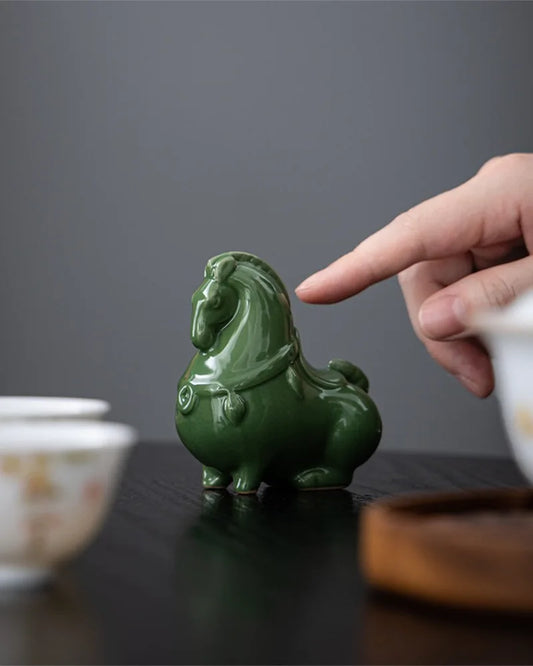
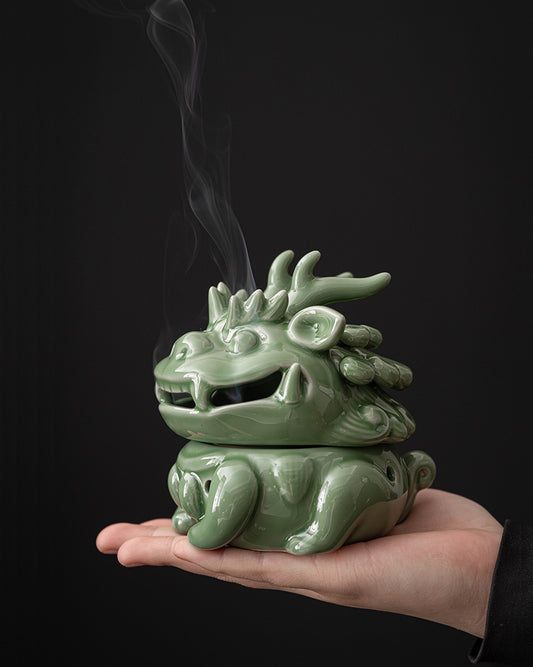
This makes the incense holder especially important in a considered interior. A ceramic dish, celadon-inspired burner, reactive-glaze object, or restrained metal holder can function both as a practical vessel and as a small sculptural presence within the room.
When incense is not burning, the object can remain on a tea table, shelf, desk, or console without looking like equipment waiting to be used.
Material matters more than ornament. Ceramic surfaces, subtle glaze variation, bronze, stone, wood, and tactile finishes can sit naturally beside linen, timber, travertine, books, tea ware, and collected objects.
This is where incense becomes particularly relevant to home decor: the ritual object remains part of the visual composition even when fragrance is absent.
Explore Bifang Studio’s incense holder collection for ceramic and sculptural pieces designed to live within the home.
The Kinetic Sculpture of Smoke
A quiet interior is usually composed of largely static elements: a table, a chair, a ceramic vessel, fabric, a wall, and a pool of daylight.
Incense introduces movement.
A thin line of smoke rises, bends with the air, briefly takes shape, and disappears. Against an uncluttered background, that movement becomes surprisingly visible.
This is one reason incense can feel so natural in a minimalist room. It does not require another permanent visual statement. Its presence is temporary.
How to Style Incense in a Quiet Luxury Home
Incense works best when it belongs to a specific place rather than appearing randomly throughout the room.
Create a Threshold
Keep the arrangement simple: one incense holder, a natural surface, and enough negative space around it. The entryway can use scent to mark the transition between outside and home.
Let Incense Join the Objects Already There
Pair a low ceramic holder with tea ware, wood, linen, or a small natural object. The arrangement should feel lived with rather than styled purely for display.
Use Scent as a Soft Background
Choose a position away from the visual center of the room. Incense can accompany conversation, reading, or a slower evening without becoming the room’s dominant feature.
Pair Fragrance with a Repeated Activity
A side table with a book, lamp, and restrained incense holder can create a small ritual zone associated with reading or reflection.
Mark the End of the Working Day
Lighting incense in the evening can become a simple sensory boundary between work and private time. A deeper woody fragrance, lower light, and one familiar place can signal that the atmosphere of the home has changed.
For more detailed room-by-room guidance, explore our guide to incense for each room .
Choose the Scent by the Atmosphere
A quiet luxury interior does not require an elaborate fragrance wardrobe. A few distinctive materials can create very different moods.
Soft, Warm & Restrained
Sandalwood works naturally with light-filled rooms, tea, reading, breakfast, and quiet daytime use. Its warmer character can soften harder materials such as stone or metal.
Layered, Woody & Deep
Agarwood can bring a more complex, resinous atmosphere to a reading corner or evening setting, particularly when the surrounding interior is visually restrained.
Nuanced & Evolving
Traditional formulas can combine several aromatic materials, creating a fragrance that changes gradually and rewards slower attention.
Explore Bifang Studio’s traditional Chinese incense or browse the complete Chinese incense collection .
A Simple Ritual of Stillness
Incense does not need to become an elaborate ceremony in order to change how a room is experienced.
A simple ritual is often more consistent with quiet luxury itself: few gestures, repeated with attention.
Choose One Place
Select a tea table, reading corner, shelf, or desk rather than moving the incense constantly around the home.
Choose One Fragrance
Let the scent match the atmosphere you want to create instead of trying to fragrance every room at once.
Light with Attention
Allow the flame to catch briefly, extinguish it gently, and place the incense securely in its holder.
Continue One Quiet Activity
Drink tea, read, write, listen to music, or simply remain in the room while fragrance becomes part of the background.
For a complete step-by-step practice, visit our Chinese incense ritual guide .
Quiet Luxury Is an Atmosphere, Not an Inventory
A considered home does not become more luxurious by continuously accumulating objects.
Often the opposite is true.
A meaningful ceramic piece, a book opened repeatedly, a tea cup shaped by use, and one familiar fragrance may contribute more to the character of a room than a surface filled with decoration.
Chinese incense belongs naturally within this way of living because so much of its presence is temporary. The fragrance arrives and leaves. The smoke takes form and disappears. What remains is the association between a particular scent, a particular space, and a moment that was given attention.
Incense & Quiet Luxury Home FAQ
What incense works well in a quiet luxury home?
Restrained woody fragrances such as sandalwood and agarwood fit naturally within quiet interiors because they can create atmosphere without requiring a visually elaborate setup. Traditional blended incense can also work well when used selectively.
How can incense be used as part of interior design?
Treat incense as part of a specific room or activity. Pair a sculptural holder with natural materials, leave enough negative space around it, and use fragrance to distinguish moments such as tea, reading, arriving home, or evening.
Can an incense holder be used as home decor?
Yes. Ceramic and sculptural incense holders can remain visible even when incense is not burning. Material, glaze, proportion, and placement allow the holder to function as both a ritual object and a piece of home decor.
Should every room use a different incense?
Not necessarily. A restrained approach often works better. Begin with one or two scented zones and choose fragrance according to the activity or atmosphere of the room rather than trying to scent the entire home continuously.