The Architecture of Stillness: Discovering the Best Incense for Relaxation Through Eastern Philosophy

The Architecture of Stillness
In an era defined by ceaseless velocity, the modern mind yearns for an anchor. Many embark on the search for the best incense for relaxation, hoping to find a fleeting remedy for exhaustion. Yet, within the profound lineage of Chinese Xiangdao (the Way of Incense), relaxation is not perceived as a mere escape from reality. Rather, it is a profound return to the self—an architectural reconstruction of inner stillness.
True relaxation requires more than the sweet intrusion of synthetic fragrances. It demands an encounter with nature's most guarded secrets. An authentic incense is a cultural carrier, a physical manifestation of time, weather, and the silent endurance of ancient trees. To curate the best incense for relaxation is to invite centuries of profound Eastern wisdom into your private sanctuary, transforming the very air you breathe into a medium of spiritual introspection.
The Alchemy of Wuxing: Decoding Fragrance Through the Five Elements
To understand the spiritual gravity of incense, one must look through the lens of Wuxing—the Five Elements of Wood, Fire, Earth, Metal, and Water. This ancient philosophical framework illustrates the dynamic balance of the universe. In the realm of high-tier incense collection, Wuxing dictates not only the composition of the scent but its energetic resonance with the human psyche.

Wood (Mu): The Root of Vitality and Agarwood
Wood represents growth, deep-rooted wisdom, and upward expansion. In the hierarchy of olfactory art, Chenxiang (Agarwood or Aloeswood) is the undisputed sovereign of the Wood element. Formed over decades or centuries as a tree heals its own wounds, agarwood carries the scent of resilience. When seeking the best incense for relaxation, a high-grade agarwood offers an unparalleled depth. Its fragrance evokes classical Chinese imagery—a secluded bamboo grove after a twilight rain, as penned by the Tang dynasty poet Wang Wei. It gently pulls the wandering mind downward, grounding anxious, floating thoughts into the fertile soil of the present moment.
Fire (Huo): The Catalyst of Transformation
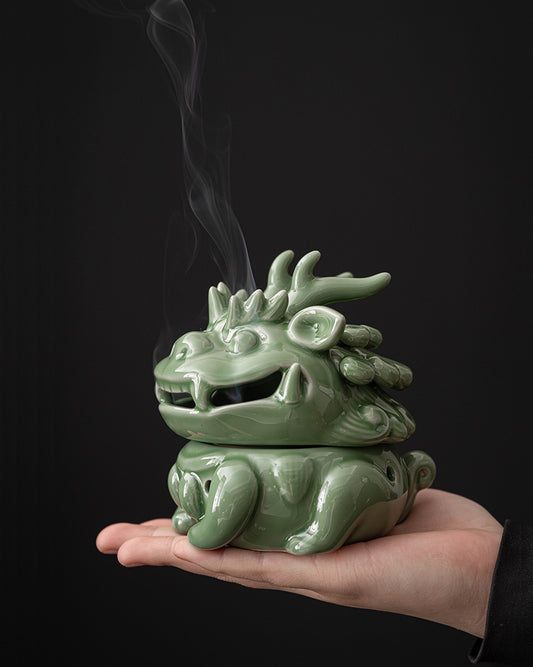
Fire is the element of alchemy. In Xiangdao, fire is not meant to consume violently, but to gently liberate the sleeping soul of the wood. The glowing ember at the tip of an incense stick is a masterclass in restraint. It teaches us the philosophy of Wu Wei (non-action)—achieving everything by forcing nothing. The slow, rhythmic conversion of solid matter into ethereal smoke is a meditation in itself. As you watch the silver thread of smoke rise and dissipate, you witness the transformation of the mundane into the sacred, melting away the day's psychological burdens.
Earth (Tu): The Embrace of Stillness and Sandalwood
Earth symbolizes stability, nourishment, and the center. It is the element that holds us. Tanxiang (Sandalwood), particularly aged Laoshan sandalwood, perfectly embodies this earthly resonance. Its creamy, warm, and subtly sweet profile wraps the senses in an invisible, reassuring embrace. For those curating a space for deep reading or evening introspection, sandalwood is undeniably among the best incense for relaxation. It provides a steady, unwavering baseline of comfort, reminiscent of ancient temple halls and the quiet dignity of classical calligraphy ink drying on Xuan paper.
Metal (Jin): The Blade of Clarity
Metal governs structure, purity, and breath. It is the autumn wind that strips away dead leaves to reveal the bare, structural branches of truth. In sophisticated incense blends, the Metal element is often introduced through cool, clarifying resins or natural botanicals like borneol. These notes possess a crystalline sharpness that slices through mental fog. True relaxation, after all, is not merely about lethargy; it is about achieving a state of pristine mental clarity. A touch of the Metal element in your incense purifies the space, leaving the atmosphere as crisp and reflective as a calm lake beneath a harvest moon.
Water (Shui): The Fluidity of the Unseen
Water is the ultimate symbol of Taoist philosophy—yielding, formless, yet capable of penetrating the hardest stone. In the context of scent, Water represents the Yun (the lingering charm or aftertaste). It is how the fragrance flows through the room, pooling in quiet corners and drifting effortlessly through the air. The finest incense does not assault the senses; it seeps into the consciousness like an underground spring. Long after the ember has died, the invisible waters of the scent remain, continuously washing over the mind and sustaining a profound state of tranquility.

The Art of Listening: Wen Xiang
In traditional Chinese culture, one does not merely "smell" incense; one is taught to "listen" to it (Wen Xiang). This linguistic nuance represents a monumental shift in sensory perception. To smell is an involuntary biological function; to listen is a deliberate act of profound attention.
Engaging with the best incense for relaxation requires you to silence the external noise and tune your internal frequency to the subtle, unfolding narrative of the fragrance. As the scent evolves through its top, middle, and base notes, it tells a silent story of ancient forests, monsoon rains, and sun-baked earth. Listening to incense elevates the act from a casual habit to a sacred ritual, transforming your living space into an intimate temple of the mind where time itself seems to slow.

A Heritage of Impermanence
Ultimately, to invest in museum-grade incense is to collect the ephemeral. It is an appreciation of beauty that exists only in the precise moment of its vanishing. This paradox is the very core of Eastern aesthetics. The ash falls, the smoke dissipates, and the physical scent eventually fades, yet what remains is an irrevocably purified mind and a tranquil heart.
When you seek the best incense for relaxation, look beyond the commercial market's loud, fleeting promises. Seek out the silent, the aged, and the culturally profound. Let the ancient philosophy of Wuxing guide your senses. In the delicate, masterful interplay of wood, fire, earth, metal, and water, you will find not just a fragrance, but a sanctuary—a timeless refuge where the soul can finally breathe.