The Architecture of Breath: A Guide to Feng Shui Scent for Each Room

In the quietude of a meticulously appointed sanctuary, true luxury resides not merely in the objects that meet the eye, but in the unseen forces that touch the soul. In the classical Eastern tradition, a living space is considered a breathing entity. The flow of unseen energy, or qi, dictates the harmony, prosperity, and spiritual resonance of our existence within these walls. To master this invisible architecture, one must look beyond the visual and embrace the olfactory. Scent, the most ephemeral yet profound of the senses, serves as the ultimate spiritual anchor of a home. When seeking the ideal feng shui scent for each room, we do not look to fleeting contemporary trends, but rather to the eternal wisdom of Wuxing—the philosophy of the Five Elements.
The Philosophy of Wuxing: Scent as the Breath of the Cosmos
For millennia, Chinese scholars and aristocrats cultivated Xiangdao, the Way of Incense. It was never regarded as a mere tool to mask odors, but as a medium of communication with the cosmos, a method to purify the mind, and a refined art of spatial tuning. Within this sophisticated olfactory culture lies the profound understanding of the Five Elements: Wood, Fire, Earth, Metal, and Water. These are not static physical materials, but dynamic phases of universal energy. Each element governs different aspects of nature, human emotion, and spatial energy.
To curate a feng shui scent for each room is to intentionally map these energetic phases onto your living space. It is a deliberate act of harmonizing the micro-cosmos of your home with the macro-cosmos of the universe. An expertly crafted incense or aromatic blend acts as a tuning fork, realigning the discordant frequencies of modern life into a symphony of ancient tranquility.
Crafting the Invisible: The Ideal Feng Shui Scent for Each Room
As we navigate the threshold of your home, the energetic requirement of each space transforms. The olfactory landscape must shift accordingly, utilizing the elemental resonances of rare botanicals, precious resins, and aged woods. Below is a definitive guide to assigning the proper feng shui scent for each room, elevating your space into an enclave of sophisticated calm.
The Foyer and Entrance: The Element of Water
In traditional feng shui, the entrance is known as the "mouth of qi." It is the vital threshold where the external world meets the internal sanctuary. The ruling element here is Water, which symbolizes fluidity, wealth, and the gathering of energy. The scent of the foyer should be welcoming yet deeply settling, washing away the chaotic vibrations of the outside world.
The Aromatic Profile: Look to the profound depths of aged Agarwood (Chenxiang), particularly those with subtle aquatic or damp earth undertones. A high-grade Agarwood possesses a sinking, gathering quality—much like a still pond reflecting a midnight moon. It anchors the arriving energy, ensuring that prosperity and peace flow effortlessly into the home, rather than rushing through it.
The Living Room: The Element of Earth
The living room is the communal heart of the home, a place of gathering, grounding, and familial harmony. It requires the nurturing, stable, and encompassing embrace of the Earth element. Here, the energy should feel rooted and expansive, fostering a profound sense of security and enduring warmth.
The Aromatic Profile: Precious Sandalwood (Lao Shan) is the undisputed sovereign of the Earth element. Its creamy, warm, and subtly sweet profile invokes the image of an ancient, sun-baked mountain. Burning a pure Sandalwood coil in the living room creates an atmosphere of dignified hospitality. It is a scent that does not demand attention, yet its presence is ubiquitously comforting, offering a quiet strength that anchors the soul.
The Study and Workspace: The Element of Wood
The study or library is the realm of intellectual pursuit, creative expansion, and focused clarity. This space is governed by the Wood element, which represents upward growth, vitality, and the breaking of new ground. In classical Chinese literature, the bamboo and the pine are revered for their upright nature and resilience—qualities essential for the scholar's mind.
The Aromatic Profile: To stimulate the Wood element, one must invite scents that are crisp, elevating, and deeply clarifying. Notes of cypress, cedar, and subtle green bamboo are peerless choices. These aromas clear the mental fog, encouraging a state of alert tranquility. Breathing in these woods is akin to walking through a misty, ancient forest at dawn; the mind becomes a sharpened blade, ready to carve through complexity.
The Dining Room and Kitchen: The Element of Fire
Spaces dedicated to nourishment and sustenance are inherently tied to the Fire element. Fire is the energy of alchemy, transformation, and joy. However, in the realm of high spatial aesthetics, the Fire element must be handled with immense restraint. Overwhelming a dining space with aggressive scents disrupts the palate and creates chaotic energy.
The Aromatic Profile: The ideal feng shui scent for each room in this category relies on subtle, warm spices and restrained citrus, underpinned by a delicate resin like frankincense. We seek an aroma that gently hums in the background—a glowing ember rather than a roaring flame. A faint wisp of spiced mandarin or clove suspended in the air stimulates digestion and convivial conversation, enhancing the energetic warmth of the gathering without competing with the culinary masterpieces presented on the table.
The Bedroom: The Element of Gold/Metal
The bedchamber is the ultimate sanctum of restoration. It is a place of surrender, where the conscious mind relinquishes control to the subconscious. The governing element is Metal, which symbolizes contraction, purity, introspection, and the quiet setting of the sun. The energy here must be impeccably clean, cool, and deeply pacifying.
The Aromatic Profile: For the bedroom, the olfactory aesthetic must be one of subtraction and pristine elegance. Delicate white florals, subtle camphoraceous notes, or the ethereal coolness of Kinam (the highest grade of aloeswood) are appropriate. These scents possess a clarifying, almost crystalline quality. They cut through the lingering emotional debris of the day, preparing the spirit for profound rest and visionary dreams. It is an aroma that whispers rather than speaks, guiding the soul into the quietest depths of the night.

The Ritual of "Listening" to Scent
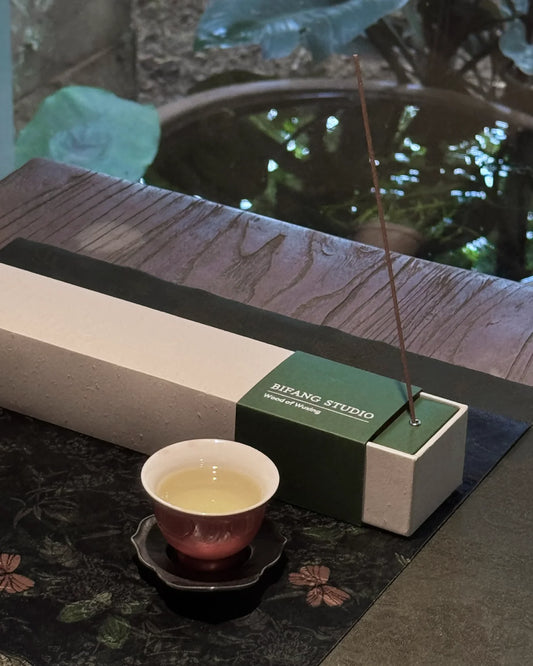
In the aristocratic traditions of the Song Dynasty, one did not merely "smell" incense; one "listened" to it (Pin Xiang). This subtle linguistic distinction is the key to understanding the profound nature of this practice. To simply spray a synthetic room freshener is an act of impatience. To carefully light a stick of artisanal, ethically sourced incense, or to slowly warm a piece of precious resin over a mica plate, is an act of deep reverence.
When you introduce these elemental scents into your home, you are not engaging in a mundane chore. You are performing a sacred ritual of spatial calibration. We invite you to slow down. Allow the delicate plume of smoke to draw an invisible calligraphy in the air. Observe how the scent evolves over the hours, how it settles into the fabrics, the wood, and the very architecture of the room. This is the luxury of time and intention.
An Heirloom of the Senses
The pursuit of the perfect feng shui scent for each room transcends interior design; it is the curation of an invisible, yet profoundly impactful, art collection. Authentic, naturally derived incenses and aromatic woods are not mere commodities; they are repositories of time, absorbing the sun, rain, and earth over decades or even centuries before they release their wisdom into your home.
By thoughtfully applying the principles of the Five Elements to your olfactory landscape, you transform your residence into a true sanctuary. It becomes a space that not only shelters the physical body but elevates the spirit, speaking a silent, ancient language of absolute harmony and unparalleled elegance.