Slow Morning Incense Ritual: A Screen-Free Start to the Day
Bifang Studio · Morning Ritual
A slow morning is not about having more time. It is about protecting the first few minutes from noise.
Chinese incense, first light, and a few analog gestures can give the day a quieter and more deliberate beginning.
A morning incense ritual can be very small: open a window, light one incense, make tea, write a few lines, and allow the day to begin before the phone becomes its loudest presence. The aim is not to perfect the morning, but to give its first moments a recognizable rhythm.

Why Slow Mornings Need a Sensory Anchor
A slow morning can easily remain an idea rather than become a practice. The phone is near the bed, messages arrive early, and the day begins before we have consciously chosen how to meet it.
Incense creates a physical threshold. There is a sequence to it: choosing a scent, placing it in a holder, lighting it, watching the flame disappear, and allowing the first thread of fragrance to enter the room.
These few gestures are useful precisely because they are analog. They create a small interval between waking and reacting.

Dawn, Incense & the Beginning of the Day
In Chinese thought and visual culture, dawn often appears as a threshold: night gradually giving way to light, mist lifting from water, and the natural world beginning to move again.
Incense fits naturally into this transitional moment. Its beginning is quiet but visible—a small flame, a glowing ember, a line of smoke. It gives something intangible, the beginning of a new day, a physical form.
A Contemporary Ritual
Bifang Studio does not treat the morning as a rigid historical ceremony. Instead, Chinese incense culture offers a language of scent, material, time, and attention that can be carried into modern daily life.
How to Choose Incense for the Morning
There is no single fragrance that belongs to every morning. A useful starting point is to choose according to the atmosphere you want the first part of the day to hold.
Bifang Studio’s Five Elements collection uses the Chinese Wuxing framework as one way to describe those different intentions.
Prefer to choose by fragrance? Begin with a restrained woody scent. Agarwood can bring a layered, resinous character to the morning, while sandalwood offers a softer and warmer profile that sits naturally beside tea, reading, or an unhurried breakfast.
If you want to explore agarwood specifically, read our guide to an agarwood morning ritual . For Five Elements incense, explore Bifang Studio’s Wuxing collection .
A Screen-Free Morning Incense Ritual
The ritual does not need to fill the entire morning. Five or ten minutes is enough. What matters is keeping the sequence simple enough to repeat on an ordinary day.
Leave the Phone Outside the First Moment
Keep the phone away from the first surface you touch. Allow waking and checking notifications to become two separate actions.
Let in the First Light
Open a curtain or window. Prepare tea, a book, or a notebook and allow natural light to become part of the setting.
Light One Incense
Choose the fragrance for that morning. Allow the flame to catch briefly, extinguish it gently, and place the incense securely in its holder.
Make One Analog Gesture
Write the first task, the first feeling, or one simple intention. Or drink tea, stretch, water a plant, or read a single page.
Begin the Digital Day
Open messages, news, and work only after the ritual has created a clear beginning of its own.
Pair Incense with Analog Actions
A slow morning ritual often becomes easier to remember when fragrance is paired with another physical action. The pairing does not need to become a productivity system. Its purpose is simply to give the morning some texture before screens take over.
Make Something Slowly
Boil water, warm a cup, and allow fragrance and tea to occupy the same few minutes.
Put the First Thought on Paper
Three lines in a journal or a short first-task list are enough. The act matters more than the amount written.
Read Before You Scroll
One page of a book gives the mind a different first input from a feed, notification, or inbox.
Open the Room
Draw the curtain, open a window, or water a plant. A small interaction with the physical environment can become part of the ritual.
For more generative mornings, Wood Element incense can accompany writing and creative work, while Gold / Metal Element incense fits planning, reading, and focused study.

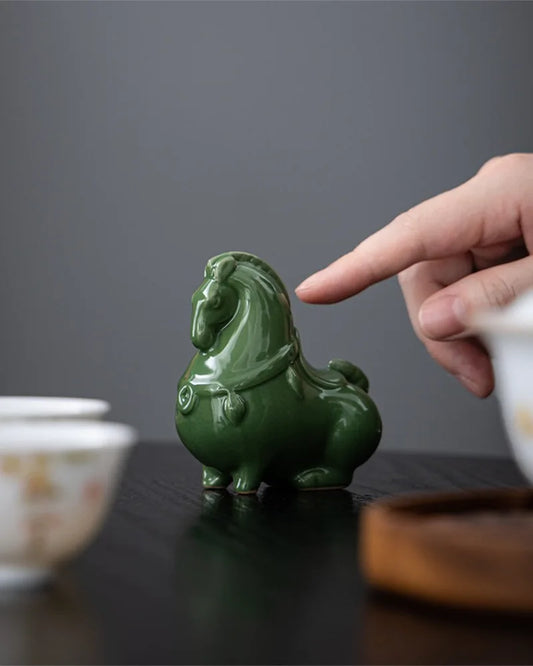
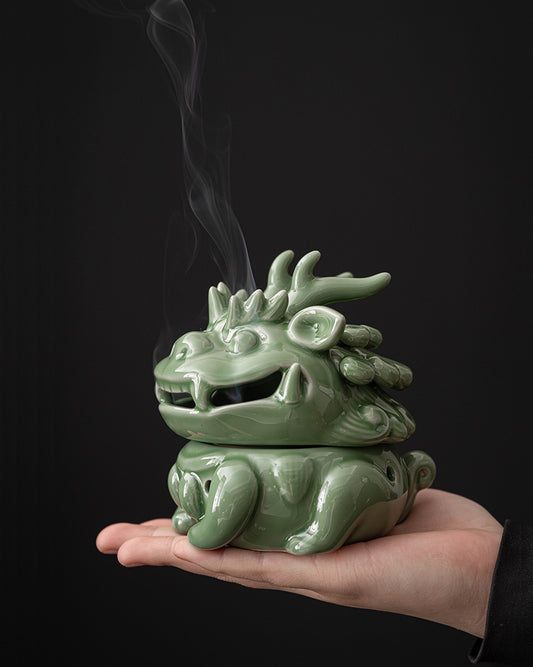
Incense and the holder are more than fragrance tools. Together, they give the ritual a material presence: something to choose, touch, place, light, and return to each morning. A small ceramic holder left on a tea table or desk can quietly mark the place where the day begins.
Make the Ritual Sustainable
Keep it short. Prepare the incense and holder the night before if that removes friction. Do not make the ritual dependent on perfect silence, a perfect desk, or an hour of uninterrupted time.
Some mornings may contain tea and journaling. Others may be little more than opening the curtain and lighting one incense before work.
Repetition matters more than complexity.
If you want a broader ritual beyond the morning, explore our Chinese incense ritual guide .
Morning Incense Ritual FAQ
How long should a morning incense ritual take?
Five to ten minutes is enough. The ritual should be short enough to repeat on a normal morning rather than something reserved only for weekends or special occasions.
What incense is good for the morning?
Choose according to the atmosphere you want to create. Woody scents such as agarwood and sandalwood offer a restrained starting point, while Wood, Gold / Metal, Earth, or Water incense can be selected according to intention.
Do I need to burn incense immediately after waking?
No. There is no single correct time. The morning ritual can happen whenever it naturally fits between waking and the beginning of your digital or working day.
What if I live with other people?
Use a stable holder in a ventilated area and choose a location that does not disturb others. A shorter ritual can work just as well.
Does a slow morning ritual need tea or journaling?
No. Tea, writing, reading, or stretching are optional analog pairings. The ritual can be as simple as opening a window, lighting incense, and giving yourself a few quiet minutes before checking a screen.