Xiangdao and the Eastern Philosophy of Incense for Anxiety & Stress Relief

Architecture of Stillness: The Breath of Antiquity in a Restless World
In an era defined by perpetual motion and unrelenting noise, the human spirit instinctively seeks a sanctuary—a quiet enclave where time slows and the mind can untangle its burdens. For centuries, the Chinese literati, poets, and Daoist masters turned not to the external world for this solace, but to the ethereal realm of scent. The ancient art of Xiangdao, the Way of Incense offers a profound ritual of returning to one's center. When we speak of using incense for anxiety and stress relief, we are not discussing a mere olfactory pleasure or a fleeting fragrance to mask the mundane. We are invoking a high-tier cultural carrier, a discipline of presence, and a spiritual dialogue with nature.
True elegance lies in restraint. A noble fragrance does not shout; it whispers, demanding that you quiet your mind to perceive its complexities. It is within this profound silence that true healing begins.
The Alchemy of Equilibrium: Wuxing and the Anxious Mind
According to classical Eastern philosophy, the universe and the human body are sustained by the delicate balance of the Five Elements, or Wuxing: Wood, Fire, Earth, Metal, and Water. Anxiety, stress, and spiritual exhaustion are rarely viewed as isolated psychological ailments; rather, they are manifestations of elemental dissonance. A mind plagued by worry is often described as having an excess of scattered Fire, or a depletion of grounding Earth and nourishing Water.
To burn incense for anxiety and stress relief is to engage in an alchemical practice that restores this lost equilibrium. The traditional incense ceremony harmonizes all five elements within a single, transient moment, offering a profound sense of psychological release and grounding.

Wood (Mu): The Anchor of the Wandering Soul
The foundation of noble incense—whether it be the revered Chenxiang (Agarwood) or the ancient Sandalwood—is Wood. In the Wuxing philosophy, Wood represents growth, deep roots, and upward vitality. Yet, the wood used in high-end incense is not freshly cut timber; it is resinous heartwood that has endured injury, buried beneath the earth or submerged in quiet swamps for decades, sometimes centuries.
When you light an agarwood stick, you are inhaling the essence of resilience. The deep, balsamic, and profoundly earthy notes serve to anchor a floating, anxious mind. As the Tang dynasty poet Wang Wei wrote of sitting alone in the bamboo grove, playing the lute and lingering in the long sigh of the forest, the scent of aged wood reconnects us to the silent, enduring strength of ancient landscapes. It is the ultimate grounding force for an overactive nervous system.
Fire (Huo): The Art of Gentle Transformation
Fire is the catalyst of change. In the context of modern anxiety, Fire is often associated with burnout, restlessness, and a racing heart. However, in the restrained art of Xiangdao, Fire is tamed and mastered. A high-quality incense stick does not burst into aggressive flames; it holds a minuscule, glowing ember.
This slow transformation of solid wood into ethereal smoke and delicate white ash becomes a meditation on impermanence and our relationship with time. The traditional practice of incense is deeply connected with the perception of time itself, turning a few quiet minutes into a sensory ritual of presence. By observing the fragile, glowing cherry of the incense, one learns to let go of pressing urgencies. The fire consumes the material to release the spiritual, transforming the heavy burden of stress into a weightless, ascending mist.

Earth (Tu): The Vessel of Presence
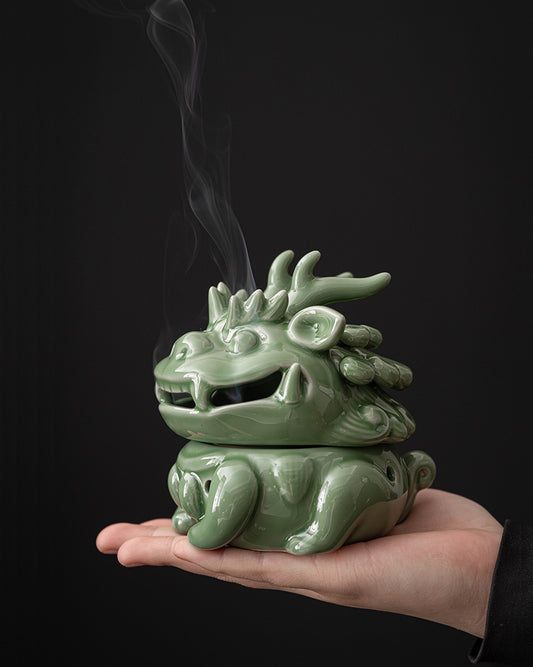
In the incense ritual, Earth is represented by the censer—often crafted from unglazed clay, refined porcelain, or bronze cast in earth molds—as well as the subtle, sweet base notes of the incense blend itself. Earth is the mother, the unwavering center, the holding space.
When anxiety pulls your thoughts into an uncertain future, the tactile sensation of a cold, smooth celadon censer, or the warm, enveloping sweetness of a meticulously aged resin blend, pulls you back to the immediate present. The placement of an incense holder can also become part of this intentional relationship between scent, space, and Feng Shui. The Earth element in incense for anxiety and stress relief provides a cradle for the exhausted spirit, offering a profound, unspoken reassurance that you are secure and held by the ground beneath you.
Metal (Jin): The Precision of Intent
Metal embodies clarity, structure, and precision. In the traditional incense ceremony, Metal is present in the finely forged tools: the feather brush, the ash press, the delicate chopsticks used to handle the fragrant wood and buried charcoal. Together, these instruments form the traditional Chinese incense toolkit, turning preparation itself into an act of mindful precision.
For the modern individual seeking respite from a chaotic lifestyle, the Metal element represents the structure of the ritual itself. The deliberate, mindful preparation of the incense space cuts through the fog of a stressed mind like a sharp, immaculate blade. It demands singular focus. By dedicating your attention to the precise arrangement of the ash and the careful lighting of the incense, the chaotic noise of the outside world is severed, leaving only the purity of the present moment.
Water (Shui): The Fluidity of Surrender
Though seemingly absent in a burning ember, Water is visually and energetically captured in the movement of the smoke. High-grade incense produces smoke that does not frantically dissipate; instead, it pools, cascades, and flows, mimicking the misty mountain peaks of a classical Chinese ink-wash painting.
Watching the silken threads of smoke weave through the air mimics the fluidity of Water. It reminds the observer that thoughts, like the smoke, are ephemeral. They arise, they dance, and they vanish into the void. This visual hydro-therapy quenches the internal friction of anxiety. It teaches the rigid mind to yield, to flow gracefully around obstacles rather than crashing against them.
Listening to the Fragrance: A Ritual of Inner Silence

In classical Chinese culture, one does not merely "smell" incense; one "listens" to it (Wen Xiang). This receptive approach to fragrance is at the heart of Xiangdao, where incense becomes a way of cultivating attention rather than simply adding fragrance to a room. Smelling is an active, outward pursuit of the senses. Listening, however, is a state of profound receptivity and surrender. When utilizing incense for anxiety and stress relief, the key to unlocking its potential lies in this shift of perception.
Close your eyes. Allow the complex, unfolding layers of the fragrance to wash over you—the initial sharpness, the lingering melancholy sweetness, the quiet decay. In this suspended space, the incense becomes a measure of time, a temporary sanctuary built not of bricks, but of breath and intention.
The Culmination of Elegance and Calm
Choosing an incense is not a mere transaction; it is the acquisition of a cultural heirloom, a silent companion for your most solitary moments. True high-tier incense refuses to assault the senses with synthetic perfumes or aggressive floral notes. It is aristocratic, aloof, and quietly authoritative.
To integrate the philosophy of the Five Elements into your daily life through scent is to reclaim your inner sovereignty. The next time the weight of the world threatens your peace, consider returning to the simplicity of natural Chinese incense, choosing an aged agarwood or carefully crafted traditional incense that allows the ritual itself to become a moment of stillness. Watch the ember glow, trace the path of the drifting smoke, and remember that within this ancient alchemy lies a timeless antidote to modern unrest.
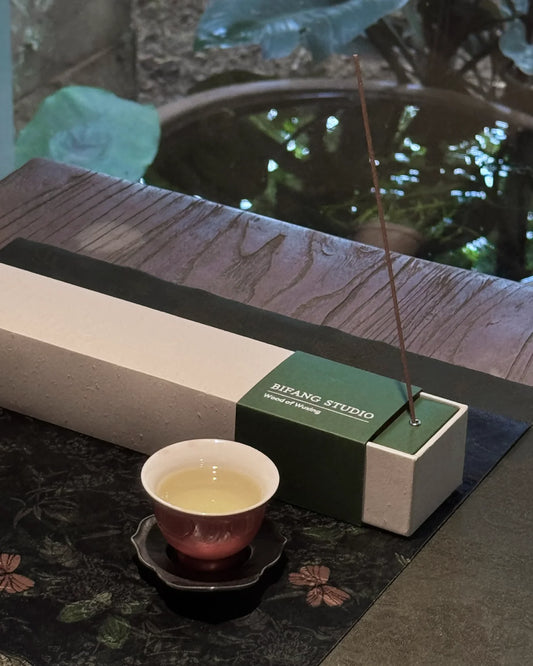
For those drawn to the traditional experience, Classical Chinese Incense Sticks offer a simple way to bring this ancient ritual into a contemporary home. Let the incense burn, and let the mind be profoundly still.